
Core Sliding Mechanic
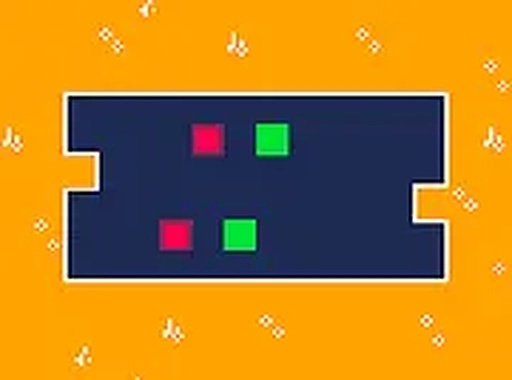
In this puzzle, each tile moves in a straight line when pushed, stopping only when it contacts a wall or another tile. This one-directional movement forces players to think several steps ahead. Unlike games where pieces can be freely repositioned, here every action is final unless the level is restarted. The grid layout changes with each puzzle, presenting fresh spatial challenges. Players must use the environment, including walls and other tiles, to guide each piece to its correct position.
Progression and Difficulty Curve
The early puzzles introduce the basic rules with simple arrangements, allowing newcomers to grasp the sliding logic. As players advance, the boards incorporate more tiles and tighter spaces, requiring careful sequencing. Some layouts demand that tiles be moved in a specific order to avoid blocking essential paths. This gradual increase in complexity keeps the experience engaging without overwhelming beginners. Each solved puzzle unlocks the next, providing a clear sense of accomplishment.
Visual Design and User Experience
The interface is clean and minimal, with clearly colored tiles and target spots that stand out against the background. Controls are responsive whether using a mouse on a desktop or tapping on a mobile screen. The lack of timers or scoring pressure allows players to focus entirely on the logic. This straightforward presentation makes the game accessible to all ages, from children to seniors, and works well for both short breaks and extended sessions.
Strategic Thinking and Planning
Success depends on foresight rather than speed. Players must evaluate the entire board before making a move, considering how each push will affect later options. Using walls to redirect tiles is a common tactic, as is leaving space for future movements. The game rewards patience and methodical thinking. Restarting a level is always free, encouraging experimentation with different approaches. Over time, players develop better spatial reasoning and planning skills through repeated practice.
Comments
0 comments