
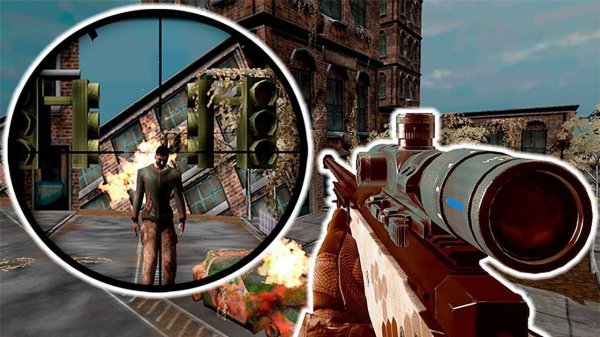
Scene Exploration & Object Hunting
Each level presents a static 3D scene filled with intricate details. Players examine the environment from a fixed viewpoint, searching for items that appear out of place or are subtly camouflaged. The challenge lies in noticing irregularities in color, shape, or texture that reveal the hidden objects. This core loop encourages methodical scanning and rewards a patient approach.
Visual Design & Atmosphere
The game features several themed environments, including urban ruins and forest landscapes. Each setting offers unique hiding spots and visual complexity. The art style focuses on clarity and detail, ensuring that every object is visible but not immediately obvious. This design supports the game's emphasis on careful observation without causing visual fatigue.
Scoring & Feedback System
Players earn points for each correctly identified object. Quick and accurate selections receive bonus rewards, while missing too many targets may end the round. The scoring system encourages both speed and precision, but accuracy remains the primary focus. A global leaderboard lets players compare their best performances with others.
Controls & Accessibility
The touch controls are simple and intuitive. Players tap to aim at a suspected object and release to confirm the selection. This straightforward input makes the game accessible to younger players and those new to puzzle games. There is no complex menu or tutorial required, allowing anyone to start playing immediately.
Progression & Replay Value
Each scene presents a new puzzle scenario, encouraging repeated play to improve observation skills and achieve higher scores. The game does not include a traditional level progression but instead offers a variety of scenes to explore. Players can revisit any scene to try for a perfect score, adding to the long-term appeal.
Comments
0 comments