
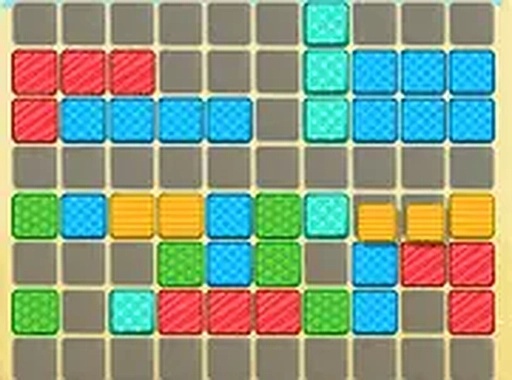
Core Gameplay Loop
At its heart, this puzzle experience revolves around a straightforward objective: place given tile shapes onto a ten-by-ten board. Each tile must fit within the grid, and the goal is to fill entire horizontal or vertical lines. When a line is fully occupied, it vanishes, freeing up room for additional pieces. This cycle of placement and clearing forms the central challenge, requiring players to think several moves ahead.
Strategic Depth Without Pressure
Unlike timed puzzles that rush the player, this game encourages deliberate planning. There is no countdown clock, so each move can be considered carefully. The key strategic element involves deciding where to position each tile to maximize line completions while avoiding awkward gaps. Players must balance short-term gains against long-term board management, as a cluttered grid leaves little room for larger pieces.
Visual Presentation and Theme
The holiday motif is woven into the visual design through festive colors and decorative elements. Tiles may feature seasonal patterns, and the background includes subtle winter-themed details. This aesthetic creates a warm, inviting atmosphere that distinguishes the game from generic block puzzles. The graphics remain clean and uncluttered, ensuring the board is easy to read during play.
Accessibility and Platform Support
Built for convenience, this game runs directly in a web browser without requiring any installation or account creation. It adapts to different screen sizes, functioning smoothly on both desktop computers and mobile devices. Touch controls allow for easy tile dragging on tablets and phones, while mouse-based input works well on laptops. This flexibility makes it suitable for quick sessions during a break or longer play periods at home.
Learning Curve and Replay Value
New players can grasp the basic rules within minutes, as the interface provides clear visual feedback. The difficulty scales naturally as the board fills up, teaching players to plan more efficiently. Each session presents a unique arrangement of tiles, so no two games play exactly the same. This variability encourages repeated attempts to improve scores and develop better strategies over time.
Comments
0 comments