
Core Gameplay Loop
Reflection Duo Puzzle Climber presents a straightforward but deep challenge. You manage two characters at once, each moving independently. The main objective in every level is to get both characters to the exit. The twist is that one character can stand on the other's head, creating a temporary boost that allows the lower character to jump higher than normal. This simple mechanic forms the foundation for increasingly complex puzzles.
Level Design Philosophy
Stages are built around spatial reasoning and timing. Early levels introduce the basic boost mechanic with static platforms. Later stages add moving platforms that shift on timers, requiring you to coordinate both characters' positions precisely. Some levels include pressure plates that activate bridges or doors, forcing you to decide which character triggers the mechanism and which one crosses. The difficulty ramps up gradually, ensuring that each new element is well understood before the next appears.
Visual and Control Design
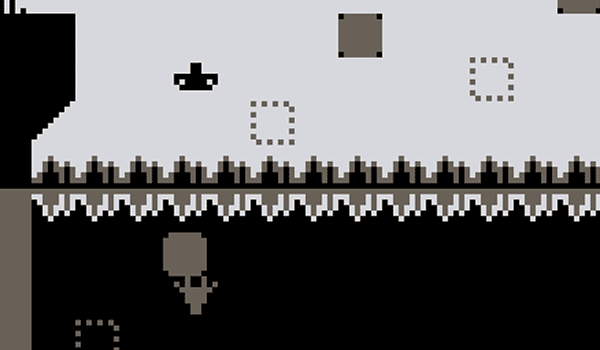
The game adopts a clean, minimal aesthetic. Characters are simple geometric shapes, and backgrounds use solid colors to keep distractions low. Controls are responsive, with each character mapped to separate keys or on-screen buttons. This setup makes it easy to perform quick actions but demands mental focus to manage both characters simultaneously. The lack of visual clutter helps players concentrate on the puzzle at hand.
Strategic Thinking Required
Success depends on planning ahead. Before making any move, you should survey the entire level layout. Consider which character needs to be in which position and in what order. Often, you must use one character as a stationary platform while the other jumps, then reposition the first character for the next step. This back-and-forth planning is the heart of the gameplay. There is no penalty for taking your time, so careful observation is rewarded.
Family-Friendly and Accessible
The content is suitable for players of all ages. There is no violence, no time pressure, and no failure state beyond needing to restart a puzzle. The difficulty comes purely from logic and coordination. This makes it an excellent choice for parents and children to play together, discussing strategies and taking turns controlling each character. The gentle learning curve ensures that younger players can grasp the basics quickly.
Comments
0 comments