
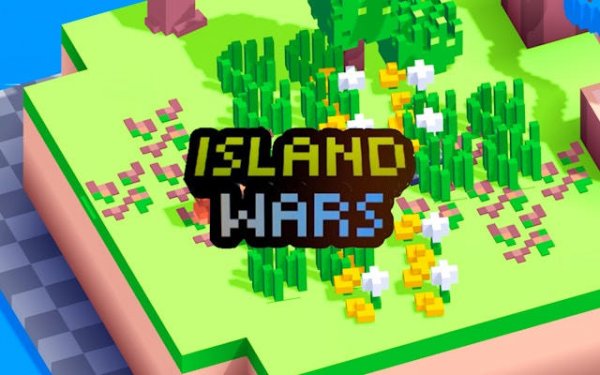
Island Exploration & Design
Tropical Trek presents a series of handcrafted island stages, each with its own visual theme and layout. The journey begins on bright, sandy beaches with gentle slopes and simple pathways. As players advance, the scenery transforms into dense jungles with narrow trails and then into rocky highlands with elevated platforms. Later stages introduce misty volcanic zones where visibility changes, requiring extra attention to surroundings. Every island feels distinct, encouraging players to adapt their approach as they move from one area to the next. The environments are not just backdrops but active parts of the challenge, with terrain features that affect movement and timing.
Controls & Interaction
The game uses straightforward touch or keyboard inputs to guide your character across each stage. On mobile devices, tapping and swiping allow for precise movement and interaction with objects. Desktop players use arrow keys or similar controls for the same responsive feel. The core interaction involves navigating through obstacles, collecting scattered items, and triggering mechanisms that open new paths. The controls are designed to be immediate and reliable, so players can focus on timing their actions rather than struggling with complex button combinations. This simplicity makes the game accessible to newcomers while still offering depth for those who want to master each stage.
Obstacles & Boss Encounters
Each island concludes with a unique encounter that tests the skills developed during the stage. These encounters require players to observe patterns, time their movements carefully, and use the environment to their advantage. The obstacles leading up to these moments include moving platforms, timed gates, and areas that require precise jumps or dashes. The difficulty increases gradually, with later stages introducing more complex patterns and tighter windows for action. Success depends on learning from each attempt and refining your approach. The game rewards patience and practice, making each victory feel earned.
Hidden Areas & Bonus Content
Beyond the main path, each island contains secret alcoves and optional sections that offer extra rewards. These hidden spots are often tucked behind visual cues like unusual rock formations or slightly different colored foliage. Exploring these areas may yield items that provide temporary advantages or unlock cosmetic options. The bonus content adds replay value, as players can revisit completed stages to find everything they missed. This encourages thorough exploration without forcing it, as the main progression remains accessible even if some secrets are overlooked.
Visual Style & Atmosphere
The pixel art style gives Tropical Trek a nostalgic feel while remaining clear and readable. Each island uses a distinct color palette that reflects its environment, from warm yellows and greens on the beaches to cooler blues and grays in the volcanic zones. The animations are smooth, with characters and objects moving fluidly across the screen. The overall tone is light and inviting, with no dark or unsettling imagery. The visual design supports the gameplay by making important elements stand out, so players can quickly identify paths, items, and hazards.
Progression & Difficulty Curve
The game structures its difficulty so that early stages teach basic mechanics through simple layouts. Later stages combine multiple elements, requiring players to juggle timing, observation, and quick decision-making. There are no abrupt spikes in challenge; instead, each new island builds on what came before. This steady ramp allows players to improve at their own pace, with checkpoints placed at reasonable intervals to prevent frustration. The result is a satisfying sense of growth as players move from struggling with early obstacles to confidently navigating complex stages.
Comments
0 comments