
Core Gameplay Loop
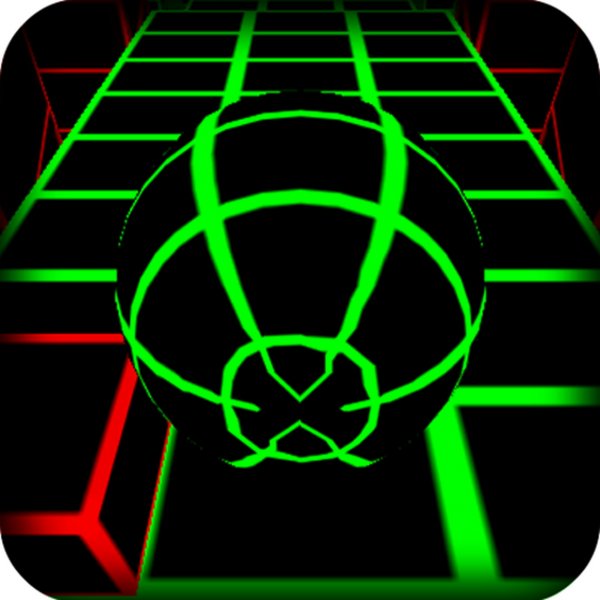
Neon Track Dash places players in control of a sphere that moves forward automatically along a brightly lit path. The primary interaction involves steering left or right to keep the sphere on course. Obstacles such as colored blocks and gaps in the track require timely adjustments. There is no endpoint; the run continues until a mistake occurs. The distance achieved becomes the player's score, encouraging repeated attempts to improve.
Visual Design and Atmosphere
The game features a vivid neon aesthetic with a dark background that makes the track and obstacles stand out clearly. This visual style not only looks appealing but also serves a practical purpose by helping players quickly identify upcoming hazards. The clean, uncluttered interface keeps the focus on the action, with the score prominently displayed.
Difficulty Progression
As the run progresses, the forward speed of the sphere gradually increases. This natural escalation means that early segments are more forgiving, allowing players to get comfortable with the controls. Later segments demand faster decision-making and more precise steering. The increasing pace ensures that each attempt feels fresh and challenging, even after many plays.
Control Scheme and Responsiveness
Controls are limited to two inputs: left and right movement. This simplicity makes the game accessible to players of all ages and skill levels. The sphere responds immediately to input, providing a direct connection between the player's intentions and the on-screen action. Mastering smooth, subtle steering is key to navigating tight sections and avoiding sudden drops.
Scoring and Motivation
The scoring system is straightforward: the farther the sphere travels, the higher the score. There are no multipliers or complex point calculations. This clarity makes it easy for players to set personal goals and track improvement over time. The desire to beat one's own record provides a strong incentive to keep playing and refine technique.
Replay Value and Session Length
Each run is procedurally generated, meaning no two attempts are exactly alike. This randomness, combined with the increasing speed, gives the game high replay value. Sessions can be as short as a few seconds or extend for several minutes, depending on player skill. This makes it suitable for quick breaks or longer practice sessions.
Comments
0 comments