
Core Gameplay Loop
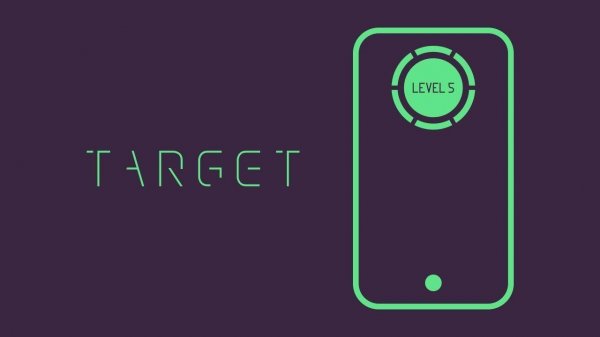
Focus Point Target Game centers on a simple action: locate a moving circle on a plain background and tap it exactly within its boundary. Each successful tap adds a point and triggers the next round, where the target shifts to a new position and follows a slightly more erratic path. The feedback is immediate: a visual cue confirms a hit, and the target resets for the next attempt. This loop creates a rhythm that encourages players to settle into a focused state, tuning out distractions to maintain accuracy.
Difficulty Progression
The game gradually increases challenge by altering target behavior. Early rounds feature a slow, predictable back-and-forth motion. As the player progresses, the target begins to change direction abruptly, sometimes pausing briefly before darting to a new spot. The speed increments are small but noticeable, requiring the player to adapt their timing and anticipation. This ramp-up feels natural, allowing beginners to build confidence while still offering a genuine test for more experienced players. The progression avoids sudden spikes, keeping frustration low.
Visual Design and Clarity
The interface uses a minimalist approach with a neutral background and a brightly colored target that stands out clearly. There are no menus, pop-ups, or decorative elements that could pull attention away from the task. The score is displayed in a small, unobtrusive font at the top of the screen. This clean layout serves a practical purpose: it lets the player focus entirely on the moving target without visual noise. The design choices reflect a priority on function over flash, which suits the game's core purpose of testing precision.
Session Structure and Flow
Each play session consists of a continuous series of attempts, with no set number of rounds. The game ends only when the player misses a target, at which point the final score is shown. This structure encourages short, repeatable plays. A player can complete a session in under a minute, making it easy to fit into brief breaks. The lack of a pause feature reinforces the need for sustained attention, as the action continues without interruption. This design supports the game's role as a quick concentration exercise.
Accessibility and Family Use
The controls require only a single tap or click, making the game accessible to young children and older adults alike. There is no text to read, no complex instructions, and no time pressure beyond the target's movement. The difficulty curve accommodates a wide range of skill levels, so family members with different reaction speeds can all participate. Because the content is purely about aiming and timing, it presents no themes or imagery that would be unsuitable for any age group. The game can be played on a phone, tablet, or computer with a mouse or touchscreen.
Comments
0 comments